Revolutionizing Graving/Drydock Management with Digital Twins
With over eight years as a Marine Surveyor at the American Bureau of Shipping (ABS), I've inspected more than 1,000 vessels around the globe. That front-line experience exposed the inefficiencies and safety challenges faced in drydock operations. At Digital Twin Marine, we’re using LiDAR and photogrammetry to create accurate, shareable digital twins—bringing real clarity to the drydock floor. These Digital Twins can help drydock teams :
Spot Deflection Before It Becomes a Problem
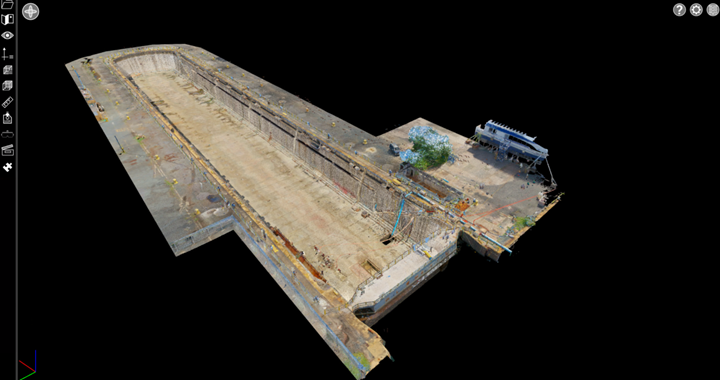
It doesn’t take much floor deflection to throw off a drydock operation. With high-resolution LiDAR scans, we can detect millimeter-scale deviations in the dock floor. This enables shipyards to proactively fix issues and gives classification societies confidence that structural integrity hasn’t been compromised.
Building Better Block Plans—Fast
We’ve all seen block plans done from outdated drawings or—worse—trial and error. A digital twin gives you a reliable foundation for planning. You can measure everything remotely, drop in vessel geometry, and build or modify your block plan with confidence. The best part? Everyone on the team is referencing the same, up-to-date model.
Getting Retrofits Right the First Time
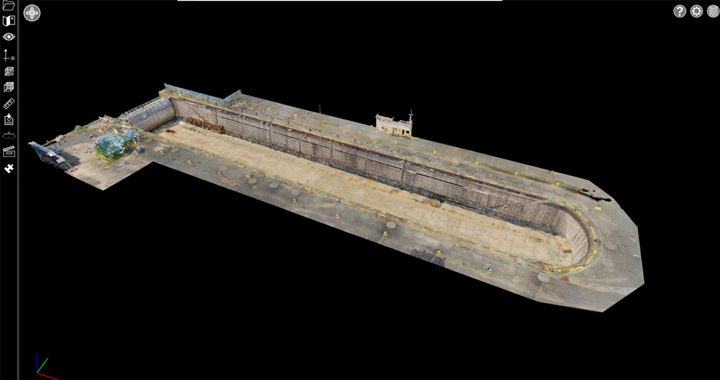
When you’re adding Bardex lift systems or other specialized tooling to a graving dock, precision is everything. We use digital twins to simulate fit-up in advance. That means fewer surprises, fewer delays, and smarter use of your engineering budget.
Send the Right Numbers to the Right Vendors
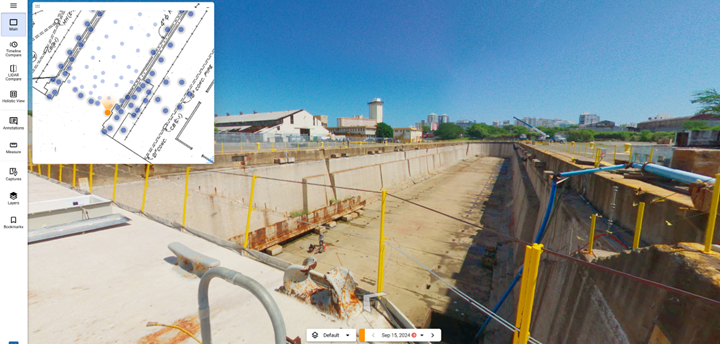
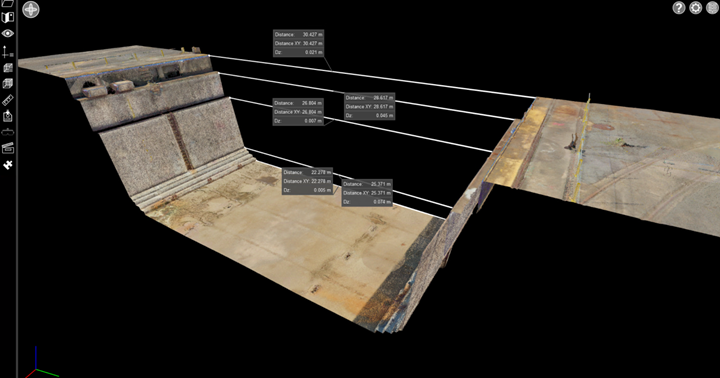
From gate fabricators to coating specialists, vendors often need accurate, up-to-date measurements of your drydock. Instead of flying them in or taking manual measurements, just send them a link to the digital twin. They’ll get the data they need, and you’ll get fewer RFIs.
Track Changes Over Time—Visually
Condition monitoring gets a major upgrade when you can visually compare scans from different time periods. Digital twins make it easy to see where cracks have propagated, coatings are failing, or edges are degrading. You’ll spot trends before they become problems—and have visual proof for audits or reports.
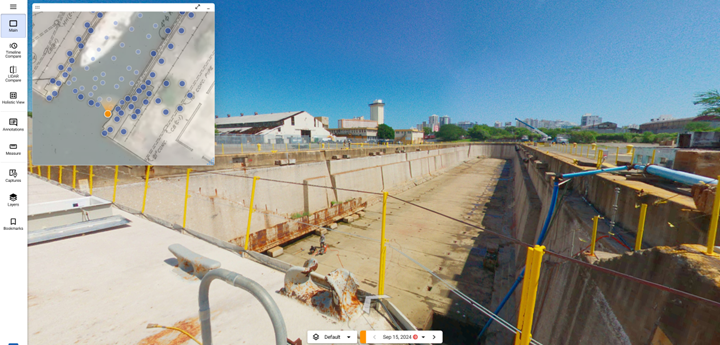
Remote Inspections That Actually Work
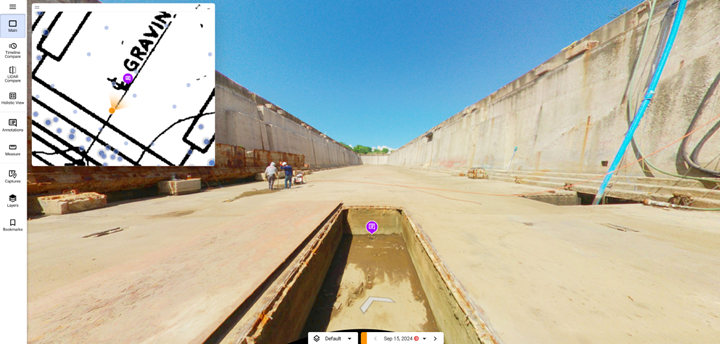
Whether it’s an OEM, a client, or a superintendent on the other side of the world, digital twins let them inspect the drydock remotely. They can walk the site, take measurements, and even leave annotations—all from their laptop. It’s not just a photo or a PDF—it’s the whole dock.
Why It Matters
We believe digital twins are more than just pretty pictures—they’re working tools for real shipyards. If you’re managing a drydock, retrofitting an aging graving dock, or just want better situational awareness, a scan-based digital twin will give you the accuracy and confidence you need to move faster and make better decisions.
About Tom Bruger
Tom Bruger is Co-Founder and Chief Technology Officer at Digital Twin Marine. He holds a B.S. in Ocean Engineering from Florida Tech and an MBA from the University of Florida. Prior to launching DTM, he spent over eight years at the American Bureau of Shipping, conducting over 1,000 vessel inspections globally. His focus is bridging the gap between field realities and digital technologies that actually work for shipyards.